Must-Know Facts About Traditional Jamaican Food
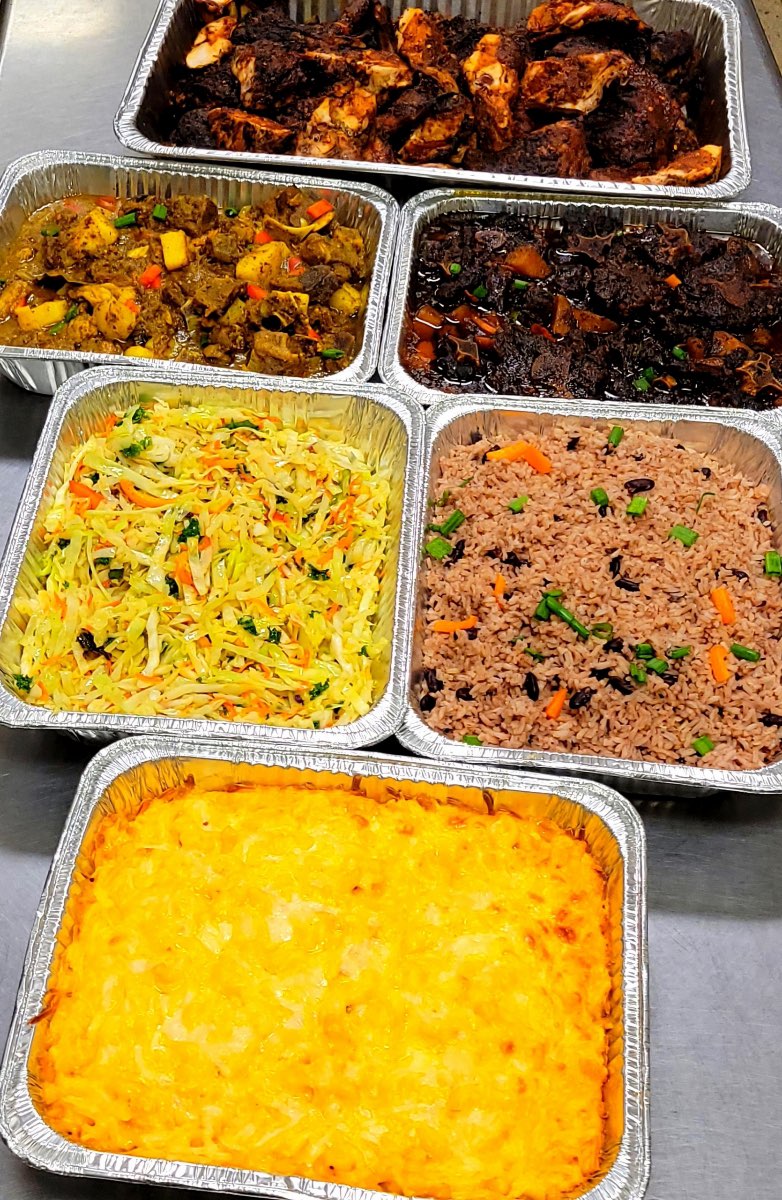
Traditional Jamaican food carries the history of the island in a way few cuisines do. You taste migration, survival, celebration, trade, and improvisation in nearly every dish. A plate of ackee and saltfish or a properly seasoned bowl of pepper pot soup is never just about hunger. It reflects African foodways, Indigenous ingredients, European colonial influence, Indian spices, Chinese techniques, and the habits of ordinary Jamaican households that learned how to build depth from what was available.
People who are new to Jamaican food often focus on the most famous items first, usually jerk chicken, patties, and rum cake. Those matter, of course, but they tell only part of the story. The deeper truth is that traditional Jamaican cooking is broad, highly regional, and more nuanced than its reputation abroad suggests. It can be fiery, but it is not always hot. It can be rich, but some of its most respected dishes are rooted in thrift and restraint. It can feel festive, yet many beloved recipes began as practical meals for workers, families, and communities making the most of local produce, preserved fish, and slow cooking.
Jamaican food is built on many cultural layers
One of the most important facts to understand about Jamaican food is that it did not emerge from a single source. The island’s cooking evolved over centuries, shaped by Indigenous Taíno practices, the brutal legacy of slavery, British colonial rule, and later immigration from India, China, and elsewhere. Those influences did not stay separate. They blended in kitchens, markets, and roadside cookshops until they became unmistakably Jamaican.
The Taíno introduced cassava and barbecue-style cooking methods that helped lay the groundwork for what later became jerk. Enslaved Africans brought techniques for seasoning, stewing, frying, and using every edible part of an animal or plant. Salted cod, now central to ackee and saltfish, arrived through Atlantic trade systems. Indian indentured workers contributed curry traditions that Jamaica adapted into something distinct, deeper in allspice and thyme, often brighter with Scotch bonnet. Chinese Jamaican cooks influenced stir-fried dishes and everyday restaurant culture. British habits show up in baked puddings, buns, and the structure of Sunday dinner.
That mixture explains why Jamaican food feels so complex on the palate. You can sit down to a meal where African yam, European saltfish, Indian spice logic, and Caribbean pepper exist in perfect balance, and no element feels out of place.
Jerk is a method before it is a flavor
Outside Jamaica, the word "jerk" often gets flattened into a bottled sauce or a generic spice blend. On the island, jerk is first a method and a tradition. The seasoning matters, but so does the process, the heat source, and the way smoke interacts with the meat.
Classic jerk relies on a paste or wet marinade built from scallion, thyme, Scotch bonnet pepper, allspice, garlic, ginger, and often ingredients like nutmeg, cinnamon, soy sauce, pimento wood smoke, or brown sugar depending on the cook. What makes the result memorable is not just heat. It is aromatic intensity, char, sweetness, bitterness from smoke, and the herbal freshness that survives cooking.
In Jamaica, especially in places famous for jerk such as Boston Bay in Portland, the cooking itself has a signature rhythm. Meat is seasoned deeply, then smoked slowly over pimento wood. That wood is not a decorative detail. It contributes a perfume that is difficult to replicate elsewhere. When jerk is cooked too quickly over plain gas heat, the profile changes. It may still taste good, but it loses some of the haunting depth that makes traditional jerk stand apart.
Jerk pork is often the benchmark. The fat renders into the spice paste, and the edges turn sticky, smoky, and intensely savory. Jerk chicken is more globally recognized, partly because it is easier to export and easier for many diners to approach. Both have their place. A good cook understands that the seasoning has to suit the cut, because breast meat, leg quarters, and pork shoulder all absorb smoke and spice differently.
Ackee and saltfish is more delicate than most people expect
Ask Jamaicans to name the national dish and ackee and saltfish will come up immediately. For first-time eaters, the surprise is often that it is not heavy. It is rich, yes, but also soft, savory, and almost gentle when cooked well.
Ackee is a fruit, not an egg, though its texture often leads people to describe it that way. When ripe and properly cleaned, it becomes buttery and tender, with a subtle flavor that takes on seasoning beautifully. Saltfish, typically salted cod, is soaked and simmered to remove excess salt before it is flaked and sautéed with onions, tomatoes, scallion, thyme, and peppers. The ackee is folded in carefully at the end because it is fragile. Overstir it and it breaks down into mush.
The dish rewards patience and restraint. Too much tomato can make it watery. Too much saltfish can dominate the fruit. Too much Scotch bonnet can flatten its elegance. When balanced properly, ackee and saltfish tastes like breakfast food with ceremonial weight. It is often served with fried dumplings, boiled green bananas, roasted breadfruit, or hard dough bread, and each side changes the meal’s character. Breadfruit makes it earthy. Dumplings make it indulgent. Boiled provisions keep it grounded in the old Jamaican habit of building a plate around starches that satisfy for hours.
There is also a practical point worth knowing. Ackee must be handled correctly. Unripe ackee is toxic. In Jamaica, people learn from an early age that the fruit should open naturally on the tree before harvesting and cooking. That caution is part of the food culture, not a footnote.
Heat matters, but seasoning matters more
Many people approach Jamaican food expecting a test of spice tolerance. Scotch bonnet peppers are central to the cuisine, and they can be extremely hot, often hotter than jalapeños by a wide margin. But reducing Jamaican cooking to sheer heat misses what skilled cooks are doing.
The best Jamaican food is layered with seasoning. Thyme is foundational. Scallion adds green sharpness. Allspice, called pimento in Jamaica, gives warmth and fragrance that ties together jerk, stews, and even some baked goods. Ginger, garlic, onion, black pepper, curry powder, and nutmeg all appear regularly. Browning sauce contributes color and slight bitterness in some stews. Coconut milk softens and rounds out spice in dishes like rundown.
A well-made curry goat, for example, should not simply burn. It should taste earthy, aromatic, and long-cooked, with a gravy that clings to rice and lingers on the tongue. Likewise, escovitch fish should wake up the palate with vinegar, onion, and pepper, not stun it into numbness.
For cooks outside Jamaica, one common mistake is using hot pepper as a shortcut to authenticity. That usually backfires. Jamaican food is defined less by aggression than by balance. The pepper should speak, not shout over everything else.
Starches are not side notes, they are central to the meal
Traditional Jamaican meals often make more sense when you stop thinking of starches as fillers. Rice and peas, boiled green banana, yam, coco, cassava, dumplings, bammy, festival, and breadfruit are all part of the structure of eating. They provide texture, absorb sauces, and turn a protein dish into a complete meal.
Rice and peas is the most internationally recognized of these, though visitors are often surprised to learn that the “peas” are usually kidney beans or gungo peas rather than green peas. The dish is simmered with coconut milk, thyme, scallion, garlic, and often a whole Scotch bonnet. A Sunday table without rice and peas can feel incomplete in many households, especially when paired with chicken, oxtail, or stew peas.
Bammy deserves more attention than it gets. Made from cassava, it has Indigenous roots and a chewy, satisfying texture. It is often soaked lightly and then fried or steamed, making it ideal with fried or escovitch fish. Festival, by contrast, is sweeter. This fried dough, often served alongside jerk meats or fish, offers a soft, slightly sweet counterpoint to spicy and salty foods. The pairing is no accident. Jamaican cooking often builds contrast into the plate.
Breadfruit also occupies a special place. Roasted breadfruit with ackee and saltfish or mackerel has a depth that feels almost chestnut-like. When breadfruit is in season, it becomes a quiet star of the table, not a backup option.
Breakfast in Jamaica is serious food
Visitors expecting light continental fare often learn quickly that Jamaican breakfast can be substantial. The logic behind it is practical. Traditional breakfasts were built to sustain labor, travel, school, or a long morning away from home. They are meant to hold you.
Callaloo, often sautéed with onion, tomato, scallion, thyme, and sometimes saltfish, is a staple with deep roots in Afro-Caribbean cooking. Porridge, whether made from cornmeal, oats, peanut, green banana, or plantain, is another major breakfast category. Jamaican porridge is rarely bland. It is often enriched with spices, condensed milk, coconut milk, or vanilla, making it hearty and fragrant.
Liver, kidneys, fried plantain, boiled dumplings, and smoked herring also appear on breakfast tables. There is a confidence in these meals that can surprise people used to toast and coffee. Jamaican breakfast assumes you are going to need strength. That old habit still shapes what people crave in the morning, even in urban settings where work looks very different now than it did generations ago.
Traditional Jamaican cooking values thrift and depth
Some of the island’s most beloved dishes come from a deep culture of economical cooking. That is not unique to Jamaica, but the island expresses it with remarkable flavor. Cooks learned to use preserved fish, cheaper cuts of meat, offal, starchy produce, and long simmering to produce meals that felt abundant even when resources were tight.
Stew peas is a good example. Despite the name, it often includes red kidney beans, salted meat, pig’s tail, beef, or other additions, all simmered with herbs and small dough spinners in a thick, rich broth. It is filling, savory, and intensely comforting. Mannish water, a soup traditionally associated with gatherings and celebrations, makes use of goat parts and herbs in a way that reflects both thrift and communal cooking. Cow foot soup and red peas soup work from the same principle, coaxing body and flavor from time and patience.
Oxtail tells a similar story. It is now expensive in many countries, but historically it was valued because slow braising could turn a tough cut into something luxurious. In a Jamaican kitchen, oxtail should emerge sticky, glossy, and tender, with broad beans or butter beans soaking up the gravy. The modern price tag can obscure the dish’s practical origins.
This is one of the most revealing facts about Jamaican food. Luxury and necessity often share the same plate.
Fish and seafood are deeply woven into the cuisine
Because Jamaica is an island, seafood is not a niche category. It sits at the heart of many regional food traditions. Yet the form it takes depends on geography, season, and class. Fresh snapper, parrotfish, kingfish, mackerel, saltfish, shrimp, and crab all appear, but not interchangeably.
Escovitch fish is one of the clearest examples of technique meeting freshness. A whole fish is fried until the skin is crisp, then topped with a hot, vinegary dressing of carrots, onions, pimento berries, and Scotch bonnet. The acid cuts through the richness of the fried fish and makes the dish especially compelling when eaten a little after cooking, once the topping has settled in.
Rundown, often made with mackerel simmered in seasoned coconut milk until the sauce cooks down, shows a different side of Jamaican flavor. It is savory, creamy, and intensely local in character. Pepper shrimp, associated strongly with Middle Quarters in St. Elizabeth, is another case where place matters. It is usually fiery, salty, and sold as road food, more snack than formal dinner.
The fish traditions of Jamaica also highlight a practical reality. Availability shifts. Weather, local catch, and cost all affect what people eat. Traditional food is not static. It responds to what the sea and the market can provide.
Patties are famous, but they are not the whole story
The Jamaican patty has become a global ambassador for the cuisine, and for good reason. It is portable, satisfying, and instantly recognizable with its golden crust and seasoned filling. Beef remains the classic, but chicken, vegetable, soy, goat, and seafood versions are common. The crust is often tinted with turmeric or curry powder, and the best ones manage to be flaky without falling apart in your hands.
Still, a patty is only one expression of Jamaican baking and snack culture. Hard dough bread is a daily staple in many homes. Easter bun, dense and spiced with dried fruit, carries the legacy of British baking filtered through Caribbean taste. Coconut drops, gizzada, grater cake, and toto all show how local coconut, cane sugar, and spice have shaped Jamaican sweets.
What outsiders sometimes miss is that Jamaican baked goods often sit comfortably between everyday and celebratory. A slice of bun with cheese can be casual, seasonal, nostalgic, and ritualistic all at once. Food in Jamaica often carries that double life.
Regional differences matter more than many guides admit
There is no single Jamaican table. Food in Portland does not feel exactly like food in St. Elizabeth, and Kingston eating habits are not the same as what you find in rural parishes. Coastal communities favor certain fish preparations. Inland households may lean more heavily on ground provisions, soups, and livestock-based dishes. Urban restaurants innovate more aggressively, while country cookshops may preserve older methods almost by default.
Even within one dish, regional and family differences are substantial. Some cooks like their curry goat dark and thick, others lighter and more aromatic. Some make festival noticeably sweet, others barely so. Jerk in one parish may taste smokier, in another hotter, in another more allspice-forward. Arguing about whose version is correct is part of the culture, but so is recognizing that Jamaican food has always been plural.
If you want to understand the cuisine, it helps to pay attention to setting. Was the fish bought off the beach that morning, or from a city market? Is the cook serving tourists, workers, churchgoers after Sunday service, or relatives gathered for a funeral repast? Context shapes the plate.
A few dishes reveal the cuisine’s range at a glance
For someone trying to grasp the breadth of traditional Jamaican food, it helps to look at a small cross-section rather than just the greatest hits.
- Ackee and saltfish shows delicacy, balance, and national identity.
- Jerk pork shows smoke, spice, technique, and outdoor cooking culture.
- Rice and peas shows how a so-called side can anchor the whole meal.
- Escovitch fish shows preservation logic, acidity, and coastal influence.
- Stew peas shows thrift, comfort, and slow-cooked depth.
That short list already moves from breakfast to feast food, from preserved ingredients to fresh catch, from subtle textures to bold heat. Few cuisines reveal themselves so clearly through such varied examples.
Authenticity is not a fixed recipe
People often ask whether a dish is authentic if it is made abroad, adapted to local ingredients, or simplified for a weeknight kitchen. With Jamaican food, authenticity lives less in rigid replication and more in respect for the dish’s core character. A cook in London, Toronto, or New York may not have access to the same pimento wood, breadfruit, or goat cuts as a cook in St. Ann or Clarendon. Adjustments are inevitable.
The better question is whether the cook understands what makes the dish what it is. Curry goat needs time, proper seasoning, and the right ratio of gravy to meat. Jerk needs smoke, aromatic heat, and a certain depth, even if the exact wood differs. Rice and peas needs coconut milk, herbs, and that gentle perfume from a whole pepper, not just plain boiled rice with beans mixed in at the end.
This is where experience matters. Good Jamaican cooks are often flexible in ingredients and uncompromising in flavor logic. They know which substitutions are sensible and which ones strip away the point of the dish entirely.
If you are eating Jamaican food for the first time, order with a little strategy
Jamaican menus can be overwhelming because the cuisine spans breakfast plates, soups, seafood, baked goods, and heavy braises. A little judgment goes a long way, especially if you want the meal to reflect the tradition rather than only the export favorites.
A practical approach is simple:
- Try one national icon, such as ackee and saltfish or jerk.
- Add one starch that is distinctly Jamaican, such as festival, bammy, or breadfruit.
- Include one gravy-based dish, like curry goat or oxtail, to understand the seasoning style.
- Do not skip a fish dish if the restaurant is known for it.
- Ask how spicy the kitchen serves its food, because heat levels vary widely.
That combination gives a clearer picture of the cuisine than ordering only a patty and a soda. It also helps you notice how much of Jamaican food depends on pairings.
The soul of Jamaican food is generosity
For all the discussion of ingredients and history, one fact matters above the rest. Traditional Jamaican food is social food. It is cooked for family, neighbors, beach gatherings, Christmas mornings, funerals, market days, and roadside stops where strangers become regulars. Portions tend to be generous. Seasoning is expected, not optional. A meal should satisfy both appetite and memory.
That generosity can show up in obvious ways, like a heaped lunch box of rice and peas with stewed chicken, or in quieter ones, like the care taken to soak saltfish properly, pick ackee clean, or keep a soup simmering until every ingredient gives what it has. Jamaican food asks for attention, but it also rewards it with uncommon depth.
The longer you spend with the cuisine, the more you realize that its reputation https://finnnokv182.raidersfanteamshop.com/a-deep-dive-into-jamaica-s-culinary-food-traditions for boldness is only partly about spice. The real boldness lies in how confidently it carries its history, how seamlessly it blends influences, and how much character it can draw from simple staples. That is why traditional Jamaican food continues to travel so well and still feel rooted to place. It tastes of an island, but also of the people who kept feeding one another through every chapter of its story.
Reggae Pot Jamaican Grill
7562 S University Blvd C, Centennial, CO 80122
(303) 997-5623
FAQ About jamaican food
What is the best Jamaican food to try in Centennial?
The best choice depends on your preferences. Reggae Pot Jamaican Grill offers jerk chicken, curry goat, oxtail, and escovitch snapper, along with sides such as rice and peas and fried plantains. Ask the restaurant about current availability and spice levels before ordering.
Is Jamaican food very spicy in Centennial?
Heat varies by dish and preparation. Jerk dishes can be hot, while some stews and sides are milder. Tell the restaurant your preferred heat level and ask which options suit you.
What is typically on a Jamaican menu?
Common choices include jerk chicken, curries, oxtail, fish, patties, rice and peas, and plantains. Reggae Pot also lists ackee and saltfish and vegetable dishes. Menus and availability can change, so confirm your choices when ordering.